
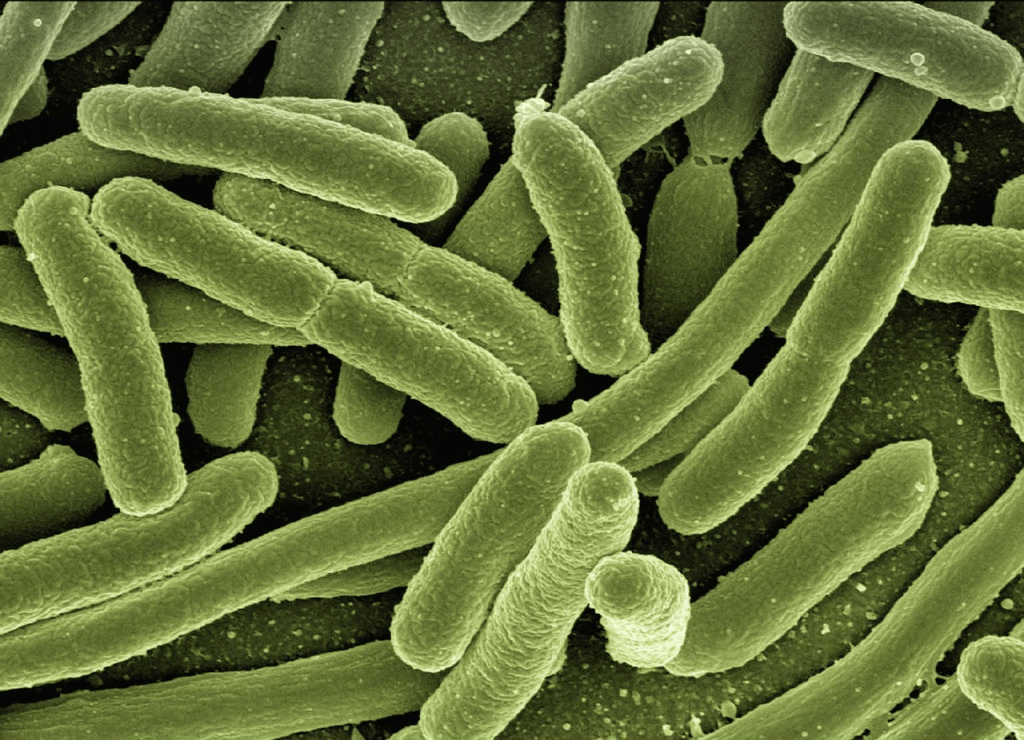
Source: geralt on Pixabay
NDM-1
Hey y’all! Hope you enjoyed my cheeky Star Wars ride reference in the title, because today we’re talking about antibiotic resistance (I know… not nearly as cool). Specifically, NDM-1 which stands for New Delhi metallo-beta-lactamase 1. NDM-1 is a transferable genetic code in bacteria that creates resistance to antimicrobial agents. It originated in… you guessed it…. New Delhi, India. Before we get into all the craziness that surrounds antibiotic resistant genes and bacteria, it’s good to know the details of NDM-1 and its current effect.
For starters, according this NIH article, NDM-1 is encoded by the blaNDM-1 gene. It is spread by horizontal gene transfer between bacteria. This process works by the bacteria fusing together into some sort of weird hug (handshake? melding of minds?) and the gene can be transmitted from one genome into the next. What exactly is so scary about this though? Well, according to a recent CDC report, there has been an increase to the tune of 460% for NDM related infections from 2019-2023. Basically, antibiotic resistant bacteria are no joke.
The Pharm Problem
So you may be asking, why can’t we do anything about this? Unfortunately the answer to this is the typical answer for most problems we see in the world: money. Put simply the cost of developing new antibiotics for pharmaceutical companies is just too dang high. According to this Pew infographic, the cost for companies can be as high as $1.3 billion and can take 10-15 years to develop. The ROI is just not there for companies to put a lot of effort into creating new antibiotics that bacteria aren’t resistant to.
In addition to the high cost of development, the profit just isn’t there to motivate pharmaceutical companies. For example, they can spend less and make more developing other drugs like cancer drugs. This NIH article, took a look at different cancer drugs that were developed and what the cost and revenue was. The drugs on average were ~$750 million to develop and had average revenues in the tens of billions. This demonstrates that many other types of drug development are more lucrative, creating even less motivation for these companies to pursue antibiotics.
Antibiotic Misuse
The last thing we’re going to cover today is how the current state of antibiotic usage is creating a problem. One major issue outlined in this OECD article, is the pressure from patients to receive antibiotics. Many times they are expecting a quick solution which could lead to being prescribed antibiotics when not needed. Additionally, when antibiotics aren’t used according to their prescribed dosage and duration, bacteria can grow resistant since the drugs can’t run their course and eliminate all bacteria. So make sure to listen to the prescribed duration of your antibiotics!
As if this isn’t bad enough, factory farming adds gas to the flame. This ACS article shows just how widespread the impact of antibiotics affects us. The quick rundown is, animals are pumped with antibiotics in their feed to help prevent death before it’s their time. Then, through manure spread, direct interaction with the animals, or even consumption of their products, these bacteria have a chance to make it in our systems. Once this occurs they could potentially transfer their genes to bacteria in our bodies and make us resistant to antibiotics. Yikes! While it does seem like the odds are stacked against us, through change in government policy and adhering to guidelines, we can resist this resistance!!

 Karson Does Micro